an 18-year-old's inner thoughts
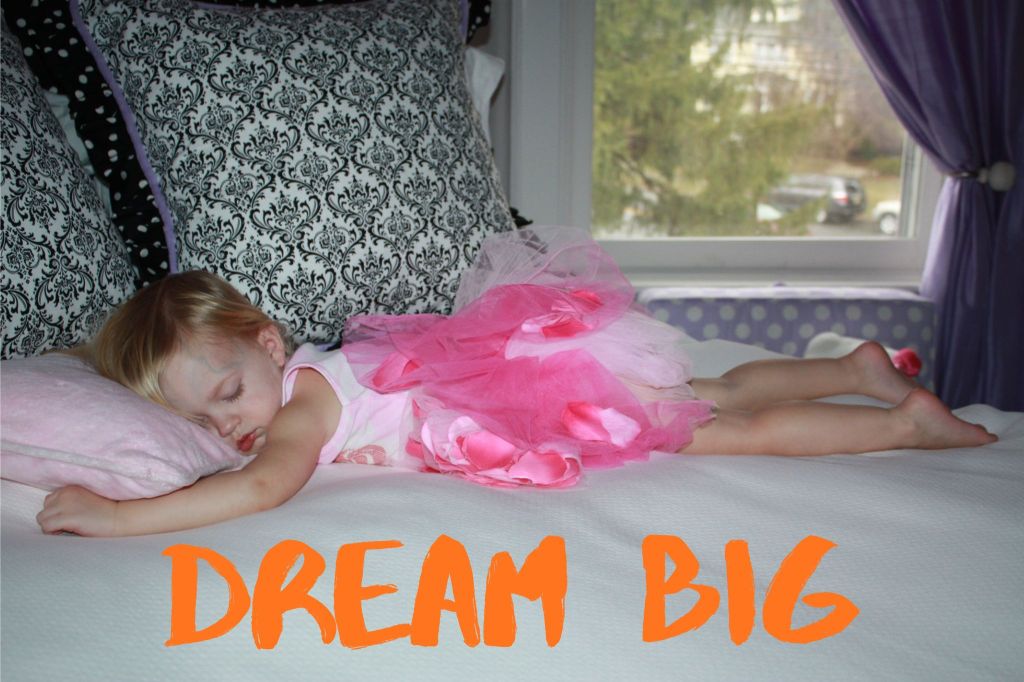
I think it’s awfully outdated that we still live in a world dominated by the idea of “can” and “can’t”. Of course, there’s an extent to what we’re able to achieve at any given moment: I couldn’t start flying right now if I wanted to, no matter how much I wanted to. Still, there is no limit to what we can aspire to do, and I refuse to believe that every big dream requires a miracle to become reality. After all, since the world has been around, we’ve seen underdogs become champions, we’ve seen billionaires built from the ground, we’ve seen our world change time after time by ordinary people with big dreams.
It’s easy to let your imagination be bogged down by people screaming “you can’t”, but according to Timothée Chalamet and Bhavitha Mandava, it’s even easier to realize they’re wrong.
I’ve never witnessed a press run quite like that of Marty Supreme, Chalamet’s newest film. The movie follows the story of a young American table tennis player, Marty Mauser, and is, at its core, a story of resilience and dreaming big in the face of those who tell you no.
To promote this film, Chalamet has been on the cover of several magazines, atop the Sphere in Las Vegas, on talk shows, performing rap songs with his supposed doppelganger and rapper EsDeeKid, and even seen walking city streets among a herd of orange ping pong ball-headed people, all while wearing a Marty Supreme windbreaker (which I really want).
Of all his stunts, I think the most effective ended up being the simplest one: his social media campaign. In the months following production company A24’s formal announcement of Marty Supreme’s release date, Chalamet posted a two-slide Instagram story with one slide featuring himself wearing the film’s merch (a windbreaker that reads the movie’s title) and the next showing a picture of his younger self in a superman t-shirt and backwards baseball cap accompanied by a messy orange scribble reading, “DREAM BIG”.
Chalamet would frequently recreate this same story, but not with pictures of himself; your favorite celebrities seemed to want in, and suddenly, A-listers like Michael Phelps and Kid Cudi were also sporting the jacket and encouraging fans.
As simple as it seems, this concept allowed Chalamet’s audience to remember that their favorite athletes, artists, and creatives all started out the same way: as ambitious people who were brave enough to dream big.
What touched me the most was how relatable participants started to become when they shared their humble beginnings. With the inevitable hierarchy that society creates between celebrities and the “normal” people of the world, it’s not rare to feel like one’s dreams are unattainable. We’re often taught that the famous people we look up to are “one in a million” and that the odds of becoming the next (insert celeb here) are slim to none. But these people aren’t made of gold and, with the exception of nepo babies, they weren’t born with their abilities. They had to work hard and – guess what I’m about to say – dream big to get where they are now.
Speaking of which, Matthieu Blazy, the former creative director of Bottega Veneta and current creative director of Chanel, taught us a thing or two about dreams in December.
Bhavitha Mandava was a hard worker to begin with. A graduate student at NYU, Mandava was studying to obtain her master’s degree in media when she was scouted by a representative from 28Models on a Brooklyn subway platform. As it turns out, that rep worked for Blazy and was looking for new talent for his upcoming runway show. She had no modeling experience and frankly no interest in obtaining any. But, with some convincing, she accepted a casting for Blazy’s Bottega Veneta Spring/Summer 2025 collection exhibition.
In September of 2024, she walked in her debut runway show and when Blazy transitioned out of Bottega and into his new role at Chanel, Mandava followed. In December of 2025, she opened his first ever Chanel runway show and consequently became the first ever Indian model to do so. And, as it happens, the show was set in a subway platform much like that of her discovery place.
You may be reading this and wondering why I’d include a story about pure chance and, by some measure, fate into an essay about how you don’t need fate to tell you who to be or what you can achieve. While I can’t deny that her rise to the top of the modeling industry practically overnight is not much of a testament to life-long dreams, it shares the same message that Chalamet aims to emphasize in his own dream-catching efforts: you don’t have to be somebody, to become somebody.
What happened to Mandava was simply kismet. However, her story is inspiring because it shows that success comes from many places and that you don’t have to fit into a mold to make an impact. Not when you can write your own story.
With the release of Marty Supreme and the rise of Mandava, December taught us that power is obtained by being oneself and accepting that your journey, however unconventional it might be. When belief from yourself or someone else leads, success follows.
Though I don’t typically make New Year’s resolutions, in 2026 I’m vowing to dream bigger. Not because I’m chasing fate, but because I’ve seen both these people defy expectations and reject tradition in their own pursuits of a dream. They’ve written their own stories, so why can’t I? After all, “can’t” is just a word, and I can choose what words I want to say.
 maddifestations
Leave a comment